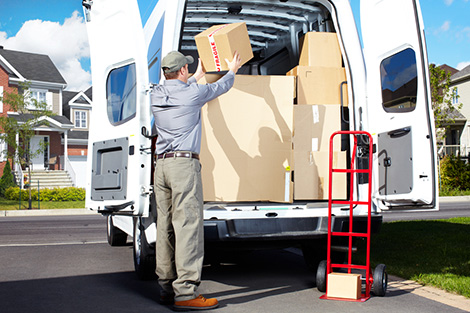
Fridge and Appliance Removal: Safely Dispose, Recycle, and Reuse
Removing an old refrigerator or other household appliances is more than a bulky chore — it’s a responsibility that affects safety, the environment, and even local regulations. Whether you’re replacing a unit with a newer energy-efficient model or clearing out a property, understanding the proper methods for fridge and appliance removal ensures compliance, protects workers and households, and maximizes opportunities for recycling and reuse.
Why Proper Appliance Removal Matters
Large appliances such as refrigerators, freezers, washers, dryers, ovens, and dishwashers are classified as “white goods” or household appliances. These items often contain materials and components that require special handling. For example, older refrigerators and freezers may contain ozone-depleting refrigerants or oils that are hazardous if released. Metals, plastics, glass, foam insulation, and electronic controls all have distinct recycling streams.
The consequences of improper disposal include environmental contamination, fines from local authorities, and increased landfill burden. Choosing appropriate removal methods contributes to resource recovery, reduces hazardous waste risks, and supports circular economy initiatives where appliances are refurbished, recycled for parts, or processed for scrap metal.
Key Legal and Environmental Considerations
Regulations vary by jurisdiction, but there are common themes to be aware of:
- Refrigerant handling: Many regions require certified technicians to recover refrigerants before a refrigerator or air-conditioning unit is transported for disposal.
- Electronic components: Some appliances contain circuit boards and electronic controls that must be diverted from landfills to electronic waste processing facilities.
- Hazardous materials: Oils, capacitors, and mercury-containing components in certain appliances need special disposal methods.
- Bulk waste rules: Municipalities often have specific pickup schedules, drop-off sites, or fees for large appliances.
Understanding these requirements ahead of time avoids unexpected fines and ensures that appliances are routed to the correct recycling or disposal streams.
Preparing Appliances for Safe Removal
Proper preparation reduces risks and helps removal teams work efficiently. Consider the following steps before scheduling pickup or transporting an appliance:
- Empty and defrost: Remove all food, ice, and removable shelving. For refrigerators and freezers, defrost and dry the interior to prevent mold or leakage.
- Secure doors and cords: Tape doors shut or use straps to prevent accidental opening. Coil and secure power cords; cut them off where required by local rules (in some places, cutting cords prevents reuse and is required).
- Schedule refrigerant recovery: If the appliance contains refrigerant, arrange for a certified technician to evacuate and recover it. Unauthorized venting is illegal in many jurisdictions.
- Document serial numbers: For high-value or newer appliances, note model and serial numbers in case of warranty transfer, resale, or donation documentation.
Safety Precautions for Handling
Lifting and moving appliances pose injury risks. Use proper equipment such as appliance dollies, straps, and gloves. Never attempt to remove a heavy appliance alone when stairs or tight corners are involved. Turn off utilities where applicable — for example, disconnect gas lines on ranges only if you are qualified or if a professional will do it.
Disposal and Recycling Options
Not all disposal options are equal. Here are common pathways and what to expect from each:
- Municipal bulky waste pickup: Many cities offer scheduled curbside collection for white goods. This is convenient but may include fees and specific preparation rules.
- Drop-off at recycling centers: Dedicated facilities accept appliances and separate components for metals, plastics, and hazardous materials. This option maximizes recycling potential.
- Retail take-back programs: Some retailers offer appliance pickup when delivering a new unit. These programs may ensure professional removal and recycling.
- Scrap metal yards: If the appliance is primarily being salvaged for metal value, scrap yards can accept units that are free of hazardous materials and refrigerants.
- Donation and resale: If an appliance is still functional, donation to charities or sale through resale channels extends its useful life and reduces waste.
Each option has trade-offs regarding cost, convenience, environmental benefit, and regulatory compliance. Prioritize methods that recover materials and prevent harmful substances from entering the environment.
Cost Factors to Consider
Costs for removal and disposal vary depending on several factors:
- Type of appliance: Refrigerators and freezers may incur higher fees because of refrigerant recovery requirements compared to washers or dryers.
- Condition: Functional appliances might have value through resale or donation, which can offset removal costs.
- Location and access: Stairs, narrow hallways, or difficult access can increase labor costs.
- Regulatory fees: Local disposal or environmental fees may apply to certain appliances.
Research local ordinances and compare options to avoid surprise expenses. In some cases, retailers or licensed removal companies include disposal fees in the purchase price of a new appliance.
Hiring Professionals vs. Do-It-Yourself
Deciding whether to hire professionals or handle removal yourself depends on risk, convenience, and compliance needs:
- Hiring professionals: Licensed removal services handle heavy lifting, ensure proper refrigerant recovery, and often manage recycling logistics. This reduces liability and saves time.
- DIY removal: For those with experience and the right equipment, removal can save money. However, ensure you follow local laws for refrigerant handling and hazardous components. Always prioritize safety and consider renting a dolly and protective gear.
Remember: some jurisdictions require certified technicians for refrigerant recovery — attempting DIY refrigerant removal can be illegal and dangerous.
Recycling and Reuse Opportunities
Appliances are rich sources of recoverable materials. Recycling processes can reclaim:
- Ferrous and non-ferrous metals (steel, aluminum, copper)
- Plastic housings and interior components
- Glass panels and shelves
- Electronic controls and wiring for e-waste processing
Where possible, consider donation or resale for working units. Refurbishments can extend appliance lifespans and provide affordable options to others.
Final Considerations and Best Practices
To ensure efficient, lawful, and environmentally responsible fridge and appliance removal, follow these best practices:
- Plan ahead: Know your local rules for bulky waste, recycling centers, and refrigerant laws.
- Choose certified services: When refrigerants or hazardous components are present, use certified technicians and licensed recyclers.
- Maximize reuse: Donate, sell, or repurpose functional appliances instead of discarding them.
- Document disposal: Keep receipts or manifests where required by local regulations or for tax-deduction purposes when donating.
- Prioritize safety: Use proper lifting equipment, protective gear, and adequate manpower for moving heavy appliances.
By treating fridge and appliance removal as a part of responsible household management, you contribute to safer communities, cleaner environments, and a more sustainable approach to resource use. Smart disposal and recycling choices not only reduce environmental impact but also often save money and help maintain compliance with local waste management rules.
Whether you opt for professional removal or handle disposal yourself, informed decisions make the difference. Prioritize environmentally sound practices, safety, and adherence to regulations to ensure your old appliances are managed responsibly.